Optimal Timing for Culvert Installations
Determining the optimal time for culvert installations depends on various environmental and project-specific factors. Proper timing can influence project efficiency, safety, and durability of the installation. Typically, the most suitable periods are when weather conditions favor construction activities and soil conditions are stable.
Spring offers moderate temperatures and manageable soil moisture, making it suitable for culvert work. However, heavy rains can cause delays.
Summer provides longer daylight hours and dry conditions, ideal for construction. Extreme heat may require additional precautions.
Fall features cooler temperatures and less rainfall, facilitating work before winter sets in. Soil may be damp, requiring proper drainage.
Winter is generally less favorable due to frozen ground and potential weather disruptions, but in some regions, it may be feasible with proper planning.
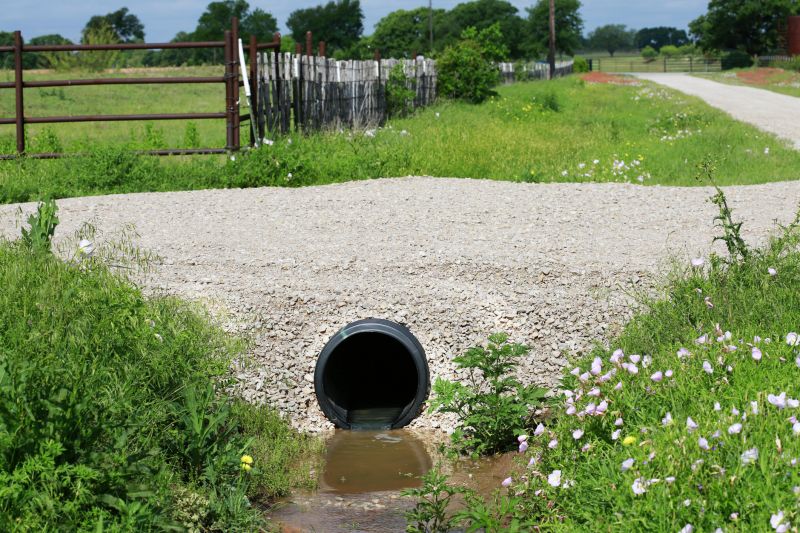
Ways to make Culvert Installations work in tight or awkward layouts.
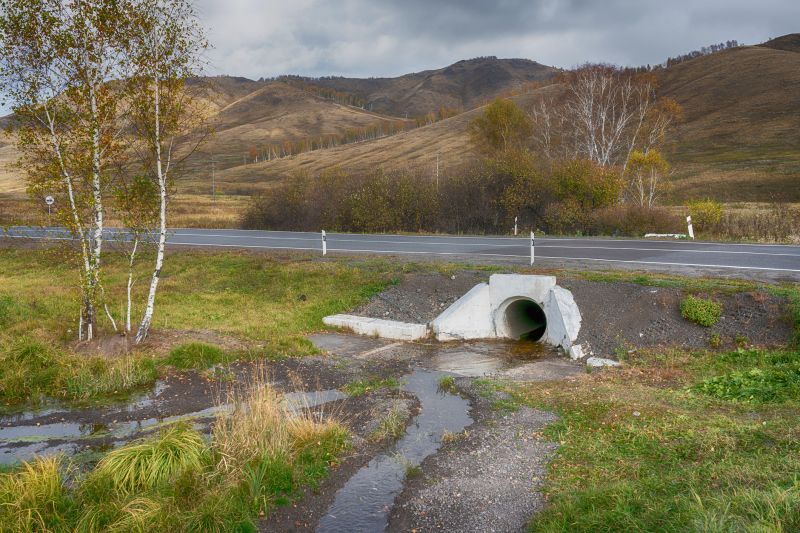
Popular materials for Culvert Installations and why they hold up over time.
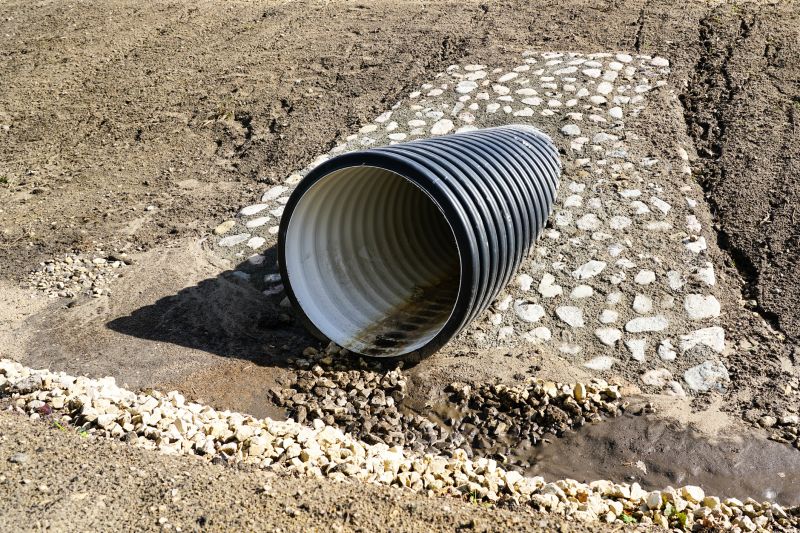
Simple add-ons that improve Culvert Installations without blowing the budget.
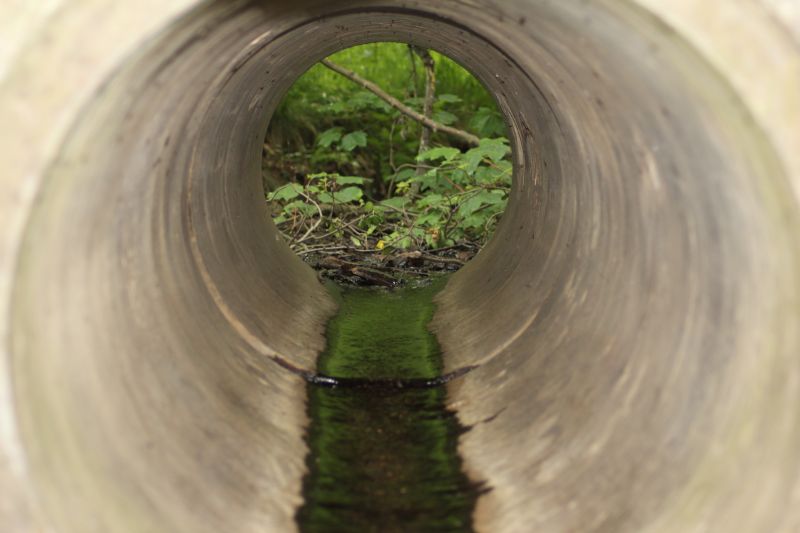
High-end options that actually feel worth it for Culvert Installations.
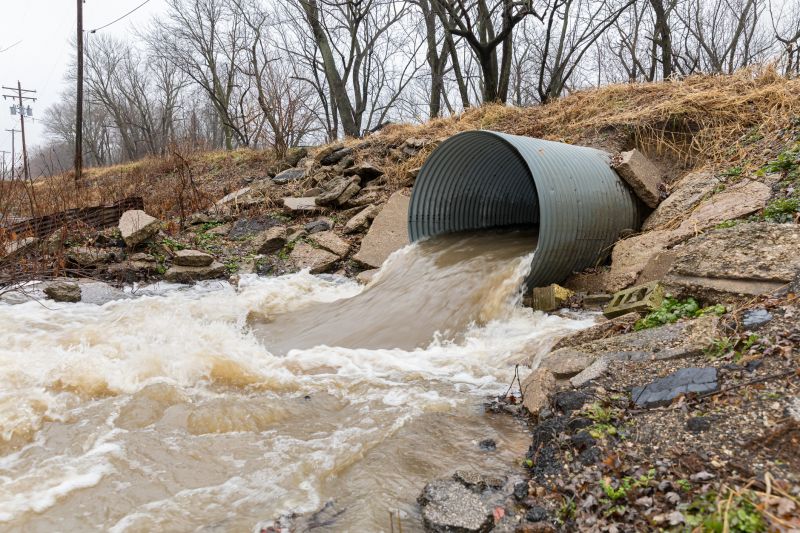
Finishes and colors that play nicely with Culvert Installations.

Little measurements that prevent headaches on Culvert Installations day.
Culvert installations are a critical component of drainage and roadway infrastructure, facilitating water flow and preventing flooding. Proper timing ensures optimal soil conditions, reduces construction delays, and enhances the longevity of the culvert system. Construction during favorable weather minimizes soil erosion and compaction issues, leading to more durable installations.
| Season | Advantages |
|---|---|
| Spring | Moderate weather and soil moisture facilitate installation, but potential for rain delays. |
| Summer | Longer days and dry conditions support efficient work, with precautions needed for heat. |
| Fall | Cooler temperatures and less rain offer good conditions, though soil can be damp. |
| Winter | Limited feasibility due to frozen ground, suitable only in specific regions. |
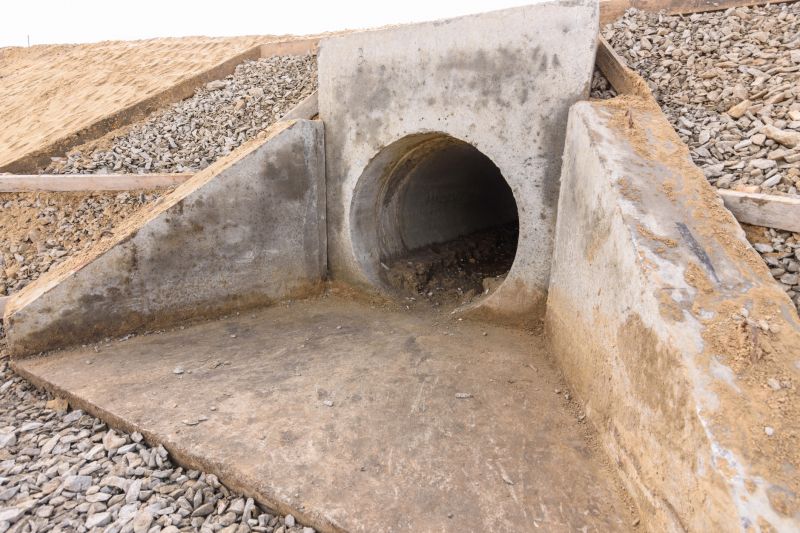
A 60-second routine that keeps Culvert Installations looking new.
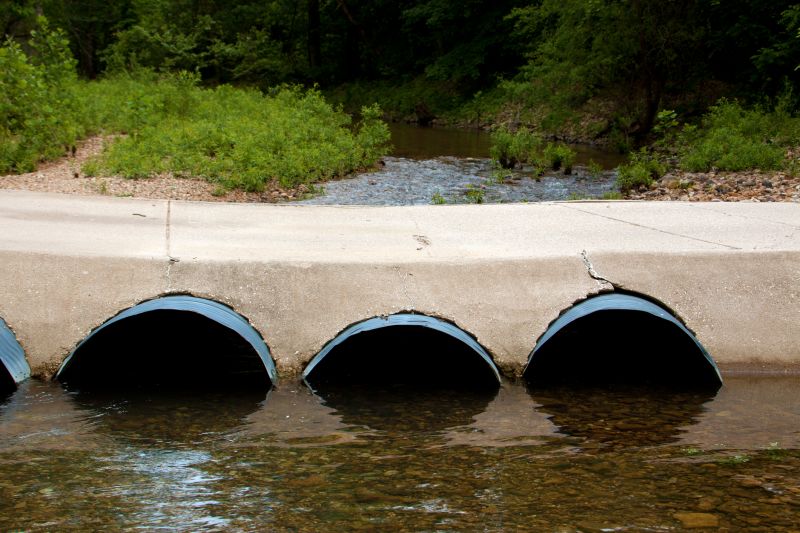
A frequent mistake in Culvert Installations and how to dodge it.

Small tweaks to make Culvert Installations safer and easier to use.
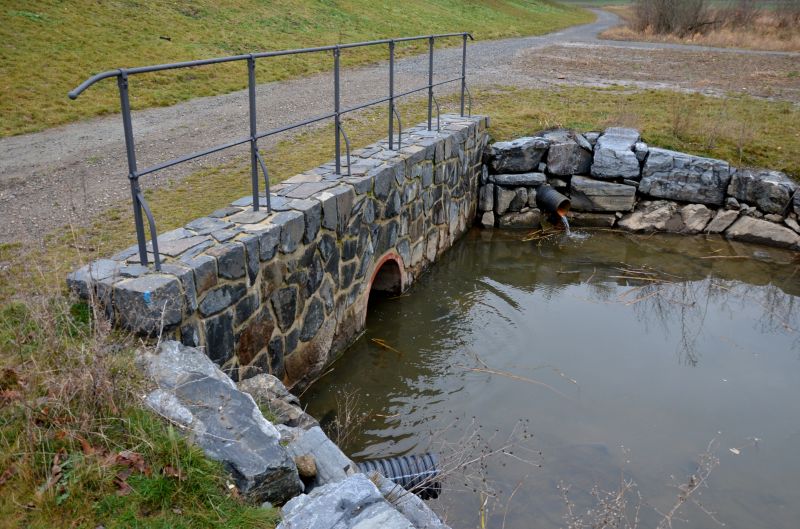
Lower-waste or water-saving choices for Culvert Installations.
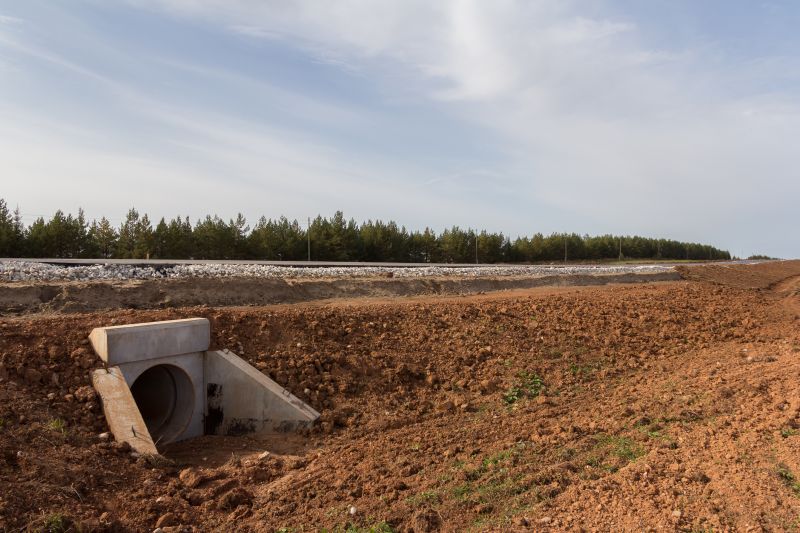
The short, realistic tool list for quality Culvert Installations.
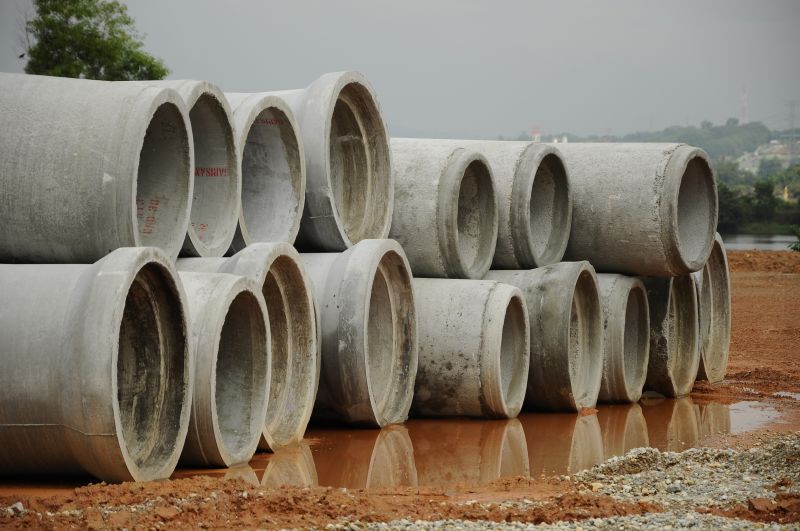
Rough timing from prep to clean-up for Culvert Installations.
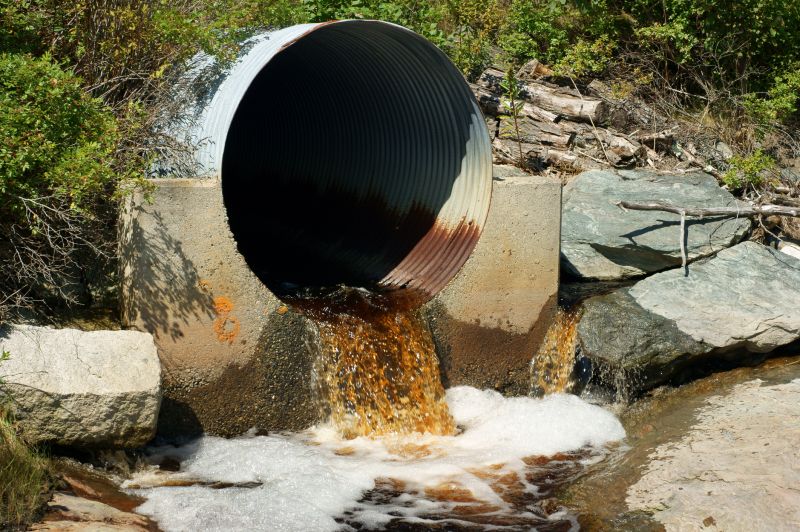
Quick checks and paperwork to keep after Culvert Installations.
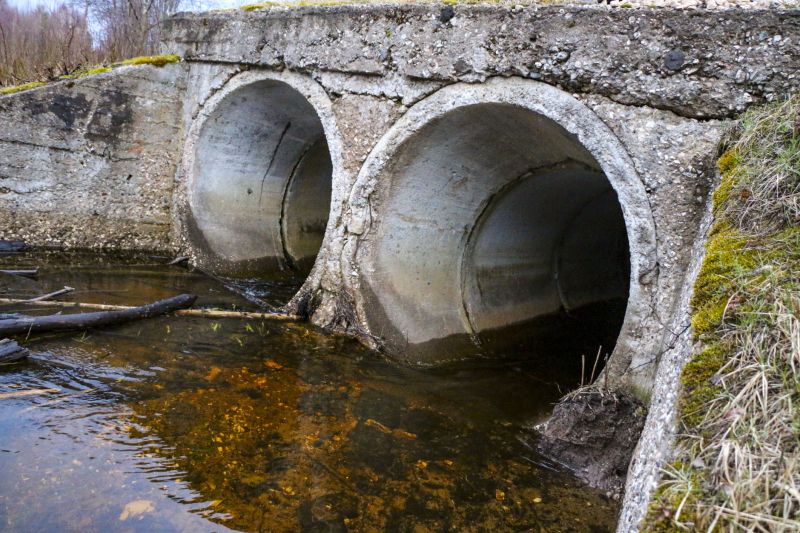
Examples that show the impact a good Culvert Installations can make.
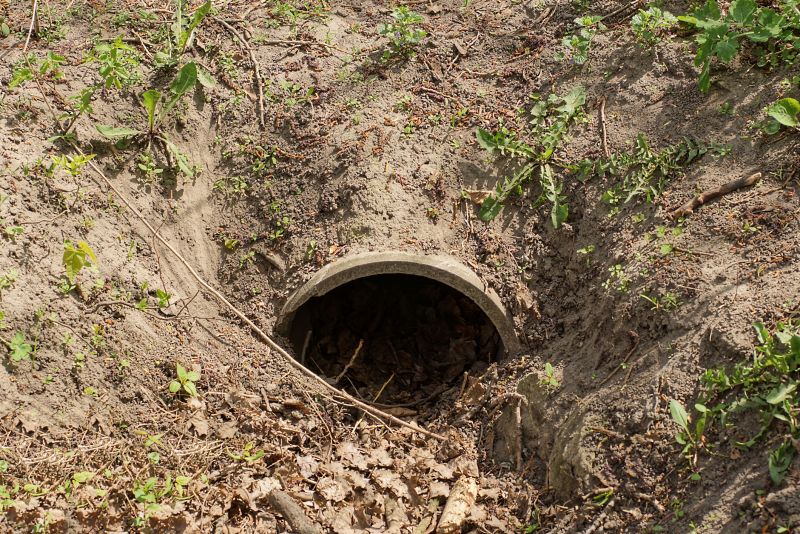
Ways to make Culvert Installations work in tight or awkward layouts.
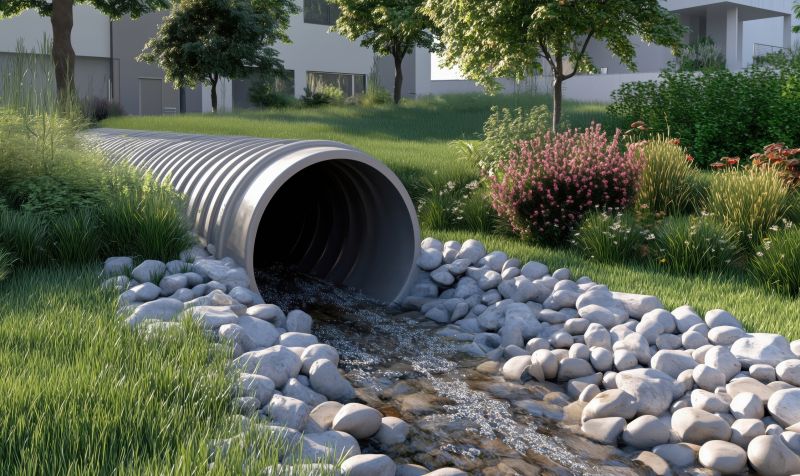
Ways to make Culvert Installations work in tight or awkward layouts.
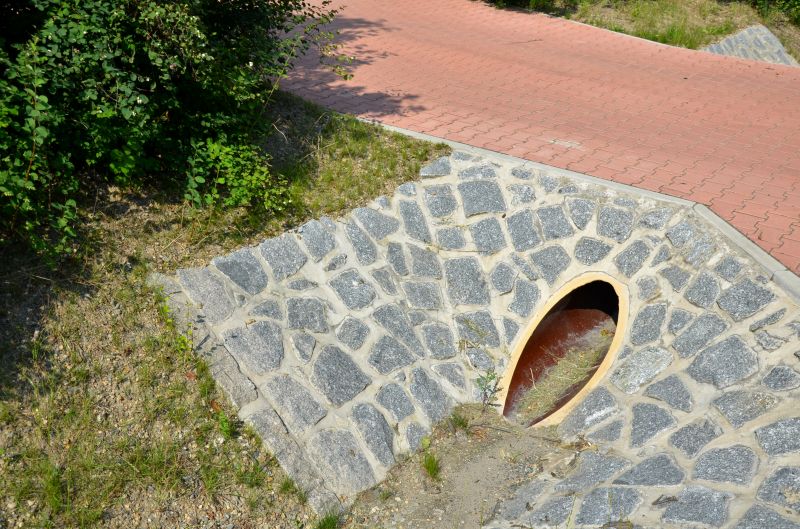
Ways to make Culvert Installations work in tight or awkward layouts.
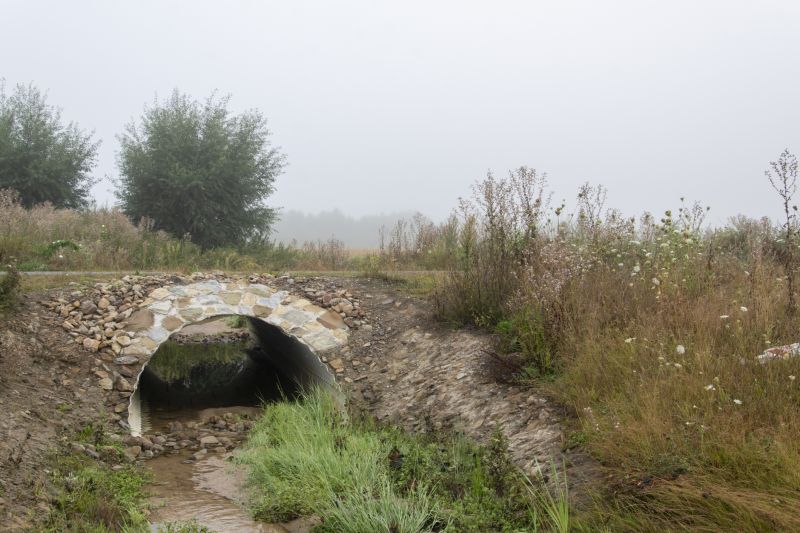
Ways to make Culvert Installations work in tight or awkward layouts.
Interested parties should consider local climate patterns and project timelines when planning culvert installations. Proper scheduling can help avoid weather-related disruptions and ensure the installation meets structural and drainage requirements effectively.