
Favorite Culvert Installation Equipment For Seamless Projects
Discover popular equipment choices that simplify culvert installation and help you complete projects efficiently.
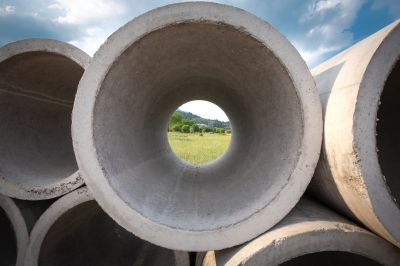 Culvert installations are essential components in managing water flow and ensuring proper drainage across various construction and landscaping projects. Selecting the right products for culvert installation can significantly influence the durability, functionality, and longevity of the infrastructure. When considering culvert products, it is important to evaluate factors such as material type, size, load capacity, and compatibility with existing systems. Proper installation ensures that water can pass through efficiently while preventing erosion or damage to surrounding areas.
Top Overall Option
Corrugated Metal Culvert Pipe
Corrugated metal culvert pipes are widely used due to their strength, durability, and versatility. They are suitable for a variety of applications, including roadway crossings, drainage channels, and agricultural projects. Their corrugated design provides structural integrity while allowing for easy installation. Metal culverts are resistant to crushing and can handle significant loads, making them a reliable choice for many infrastructure projects.
Types of Products For Culvert Installations
Corrugated Metal Culvert Pipe
A sturdy option suitable for various load-bearing applications, often used in roadway and drainage projects.
Reinforced Concrete Culvert
Heavy-duty concrete culverts designed for high traffic and large volume water flow management.
Plastic HDPE Culvert Pipe
Flexible and lightweight, ideal for temporary or less demanding drainage needs.
Polypropylene Culvert
Corrosion-resistant plastic option suitable for smaller or temporary installations.
Corrugated Plastic Pipe
Lightweight and easy to install, often used in agricultural drainage and residential projects.
Precast Concrete Culvert Sections
Pre-manufactured sections that simplify installation for larger projects and provide precise dimensions.
Flexible Fabric Culvert Liners
Fabric liners that reinforce existing culverts or create new channels with flexible installation options.
Metal End Sections
End caps and transition sections that provide a secure connection and prevent debris entry.
Gravel Bedding Material
Crushed stone or gravel used to provide a stable base for culvert installation.
Waterstop Seals
Sealing components that prevent water leakage around culvert joints and connections.
Drainage Grates
Grates installed over culverts to prevent debris entry while allowing water flow.
Support Brackets and Anchors
Hardware used to secure culverts in place and prevent shifting or movement over time.
Inspection and Maintenance Ports
Access points for inspecting and maintaining culvert systems without complete removal.
Erosion Control Matting
Protective mats placed around culverts to prevent soil erosion and sediment displacement.
Flexible Couplings
Connectors that join different culvert sections securely and accommodate slight movement.
Drainage Pipe Fittings
Elbows, tees, and reducers that facilitate complex culvert layouts and directional changes.
Water Flow Meters
Devices used to monitor water flow through culverts for system management.
Popular Choices
A frequently chosen lightweight and flexible pipe suitable for various drainage applications.
Commonly used for high load and long-lasting infrastructure projects.
Versatile plastic pipe known for its durability and ease of installation.
Prefabricated sections that streamline installation in large-scale projects.
Popular for its strength and resilience in demanding environments.
Widely used to prevent debris entry while maintaining water flow efficiency.
Commonly employed to connect different culvert sections securely.
Frequently installed around culverts to prevent soil erosion and sediment runoff.
Important for sealing joints and preventing leaks in culvert systems.
Essential for creating complex culvert layouts with directional changes.
Used to secure culverts in place, especially in unstable terrains.
Allows for easy access to inspect and maintain culvert systems.
Commonly used to provide a stable base for culvert installation.
Helpful for monitoring water flow and ensuring system efficiency.
Different projects may require a variety of culvert products, from simple corrugated pipes to complex modular systems. The choice of product depends on the specific application, whether it involves small-scale residential drainage or large-scale roadway infrastructure. The right culvert products should be resilient to environmental conditions, resistant to corrosion, and capable of handling expected water volumes. Additionally, ease of installation and maintenance are crucial aspects that can influence long-term performance.
Understanding the range of available products can help contractors and homeowners make informed decisions. From flexible pipe options that adapt to terrain to heavy-duty materials suited for high-traffic areas, there are numerous solutions designed to meet diverse needs. Properly selected culvert products contribute to the stability of the installation, reduce the risk of blockages, and facilitate efficient water management. Investing in quality components and following best installation practices can lead to more reliable and sustainable outcomes for any culvert project.
Key Buying Considerations
- Material type and durability based on project requirements
- Size and diameter suitable for expected water flow and volume
- Load capacity to withstand traffic or environmental pressures
- Compatibility with existing drainage systems or infrastructure
- Ease of installation and available support hardware
- Corrosion and weather resistance for long-term performance
- Flexibility of the product for terrain adaptation
- Cost and budget considerations for project scope
- Availability of accessories like couplings, end caps, and support brackets
- Maintenance requirements and ease of access for inspections
- Environmental conditions such as soil type and water velocity
- Compliance with local codes and standards
- Potential for future expansion or modifications
- Impact on surrounding soil stability and erosion control
- Ease of transportation and handling on-site